East Zone selectors have placed 15-year-old Vaibhav Sooryavanshi alongside senior pros Mohammed Shami, Abhimanyu Easwaran and Mukesh Kumar, framing the four-day Duleep Trophy stint as a leadership apprenticeship under captain Ishan Kishan rather than another white-ball showcase.
· Trust11 News Desk · Reporting based on Hindustan Times
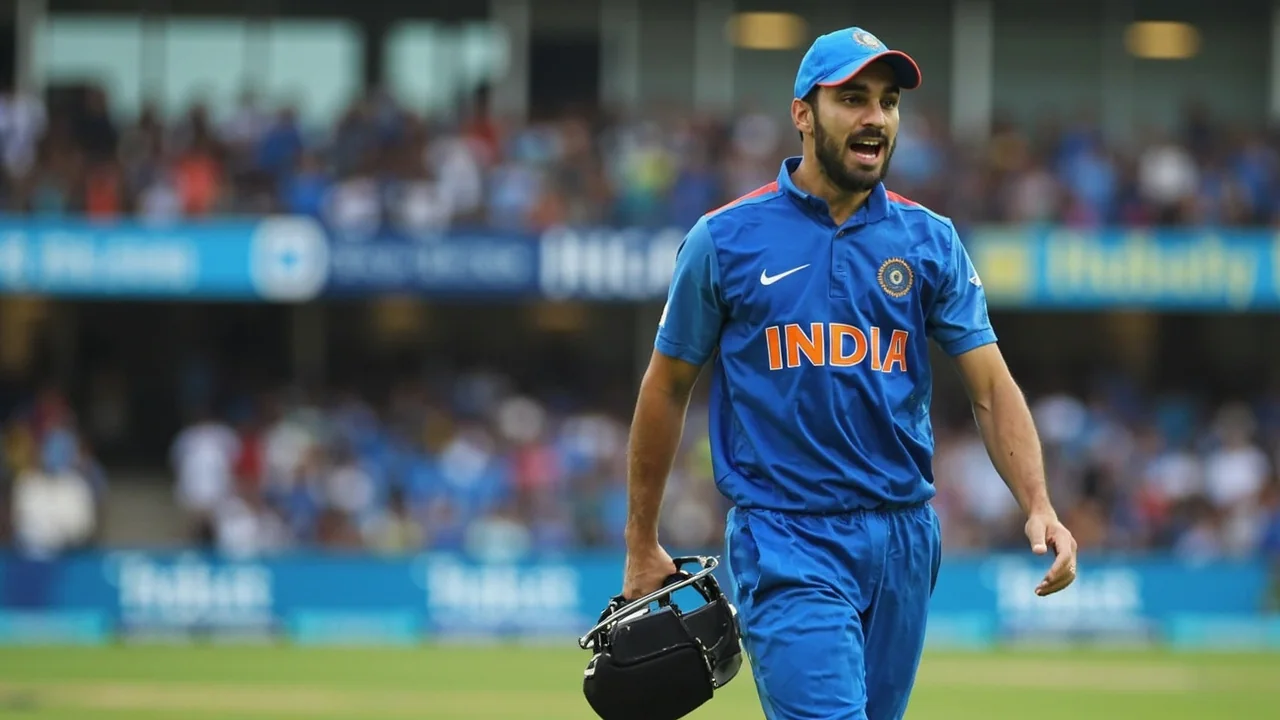
East Zone have named Vaibhav Sooryavanshi as their vice-captain for the upcoming Duleep Trophy, slotting the 15-year-old opener behind wicketkeeper-batter Ishan Kishan in what amounts to one of the youngest leadership appointments in the competition's recent history. Selector Pravanjan Mullick framed the move as a deliberate attempt to accelerate the teenager's maturity through added responsibility, not as a reward for headline runs.
The squad announcement is short on ceremony. Sooryavanshi has played only eight first-class matches to date, scoring 207 runs in 12 innings at an average of 17.25 with one fifty and a highest score of 93. His Youth Test record offers a slightly fuller sample, with 331 runs at 33.10 and two centuries from the longer-format under-age work. The Duleep Trophy assignment does not pretend those numbers are settled; it deliberately puts the player in front of them.
Bihar had already made Sooryavanshi vice-captain for the opening matches of their 2025-26 Ranji Trophy season at age 14, under Sakibul Gani. The East Zone call extends that apprenticeship from state level to zonal level, which is a notable step in the domestic calendar rather than a casual promotion. East Zone sit alongside the strongest groupings on the four-day circuit, and the appointment makes Sooryavanshi the youngest vice-captain on any 2026 Duleep squad.
Three names anchor the East Zone squad and explain why the selectors are comfortable handing the teenager a chair at the leadership table. Mohammed Shami, Abhimanyu Easwaran and Mukesh Kumar are all senior red-ball operators with international experience.
Shami brings fast-bowling authority and the kind of matchup calls that only come from bowling at Test batters for a decade. Easwaran is the rounded top-order presence whose patience and shot selection set the template for any developing opener watching from the next stall. Mukesh Kumar, similarly, has built a reputation for holding a line through the middle session and asking opponents the same question over and over. For a 15-year-old opening batter, sitting inside that dressing-room conversation is education that no net session can provide.
Even against that bench of senior voices, the actual captain of East Zone remains Ishan Kishan. As a wicketkeeper, Kishan is expected to be involved in most tactical calls on the field, including setting fields, managing DRS conversations and controlling the bowler rotation. That positioning matters: the vice-captaincy is being described as an apprenticeship rather than a co-captaincy. Sooryavanshi's job is to observe, contribute in team meetings and rehearse the rhythms of leading a four-day innings, not to overturn Kishan's on-field calls.
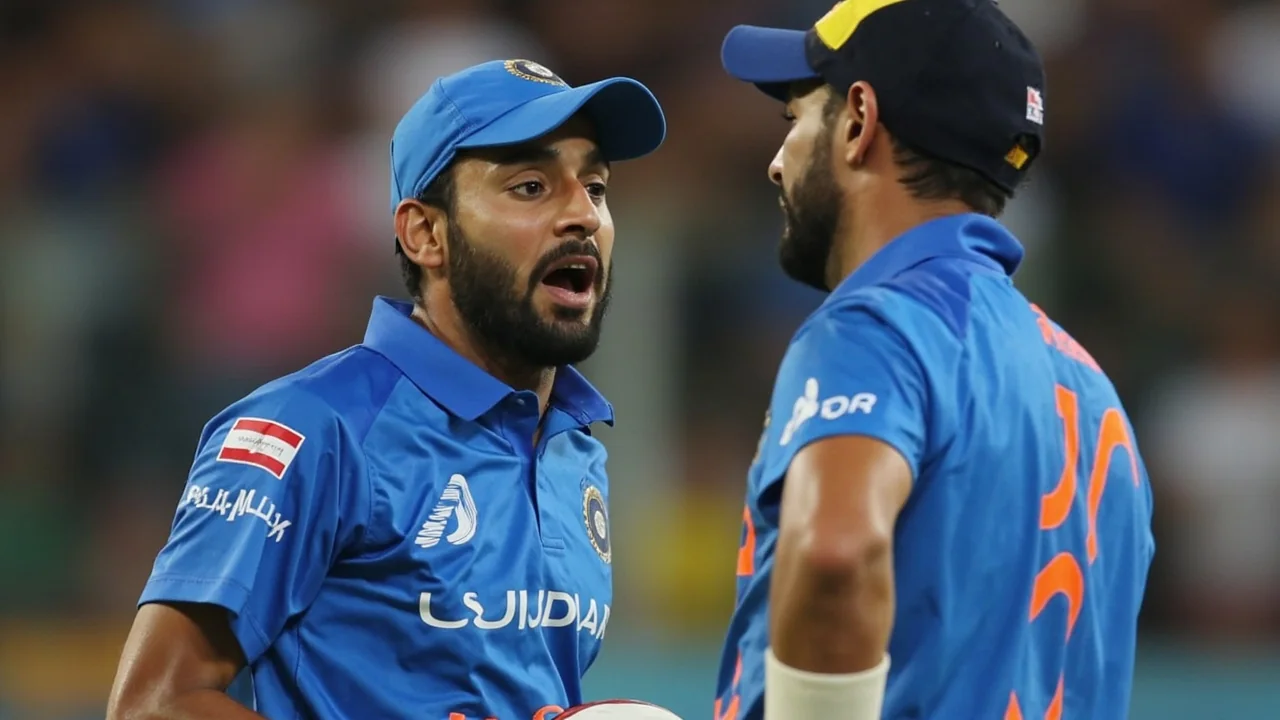
On 2026 IPL numbers alone, Sooryavanshi looks like a finished T20 product. He made 776 IPL runs at an average of 48.50 and a strike rate of 237.30, numbers that close down almost every argument about his readiness for franchise cricket. That is exactly why selectors want him somewhere quieter. The Duleep Trophy offers the inverse conditions: a Dukes ball that softens late, a longer batting window between dismissals and field placements that reward patience over power.
The contrast between the two formats has been a recurring talking point for India's youth setup. Sachin Tendulkar made the point publicly earlier in 2026, warning that too many instructions or hurdles between ball-recognition and reaction could disrupt Sooryavanshi's instinctive game. A red-ball stint with the captaincy chair two seats down from the keeper is not that kind of intervention. It is the opposite: it asks the teenager to manage his own innings across two hundred balls, then walk into the dressing room and talk a senior bowler through what he saw.
Selectors are not expecting a 150 in East Zone colours on day one. They are expecting Sooryavanshi to absorb what Easwaran does at the other end, what Shami says about lengths in the morning meeting and how Kishan signals a DRS review in real time. If the batting form follows, that is a bonus. If it does not, the leadership learning still stands.
Sooryavanshi's vice-captaincy is not a sudden promotion. It is the third leadership call of his 2026 calendar. He captained India U19 in a three-match Youth ODI series in South Africa earlier this year, stepping in after Ayush Mhatre was unavailable, and finished Player of the Series with 206 runs across three innings. The scores were 11 off 12, 68 off 24 and 127 off 74, with the second and third innings containing ten sixes each. India swept the assignment 3-0.
Those numbers are striking, but they carry two lessons a selector should weigh carefully. First, the South Africa series showed that Sooryavanshi can switch from a middle-order rebuild role to a powerplay demolition role without losing rhythm, even across three different match situations. Second, it showed that the dressing room will follow a teenager's call when his batting does the talking. Both of those observations are useful in a Duleep Trophy dressing room and slightly more complicated when the batting average is still finding its floor.
East Zone's logic leans implicitly on two precedents that selectors like to invoke when young batters are pushed up the ladder. The first is Graeme Smith, who was made South Africa Test captain in 2003 at 22 and responded with 714 runs in that year's England series, including 277 at Edgbaston and 259 at Lord's. The second is Shubman Gill, who scored 754 runs at 75.40 with four hundreds on his first England tour as India Test captain in 2025.
Neither parallel maps cleanly onto a 15-year-old opening the batting in a zonal fixture. Smith was 22. Gill was already an India regular by the time he took the Test cap. Sooryavanshi's situation is closer to a scout promotion than a captaincy coronation; he has the vice-captain's chair but still has to win the keeper's vote in any tactical conversation. Treating the precedent as inspiration is fair. Treating it as expectation would be a mistake.
The honest read is that selectors are not seeking a Smith or a Gill in four-day cricket from Sooryavanshi this season. They are testing whether the same instinct that produced 776 IPL runs at a 237 strike rate can survive a morning session with a Dukes ball at the other end. The leadership tag is the wrapper around that test.
Three on-field behaviours will shape how the rest of Indian cricket reads this appointment. First, how Sooryavanshi speaks in the team meeting when Easwaran or Kishan ask for an opener's view on a batting plan. Second, how he manages his own batting time on day two, when the ball is older and the field spreads out. Third, how he handles the dismissal. A 15-year-old vice-captain who walks back after edging a drive that he knows he should have left is doing more useful leadership work than one who scores a fifty and never faces the harder question.
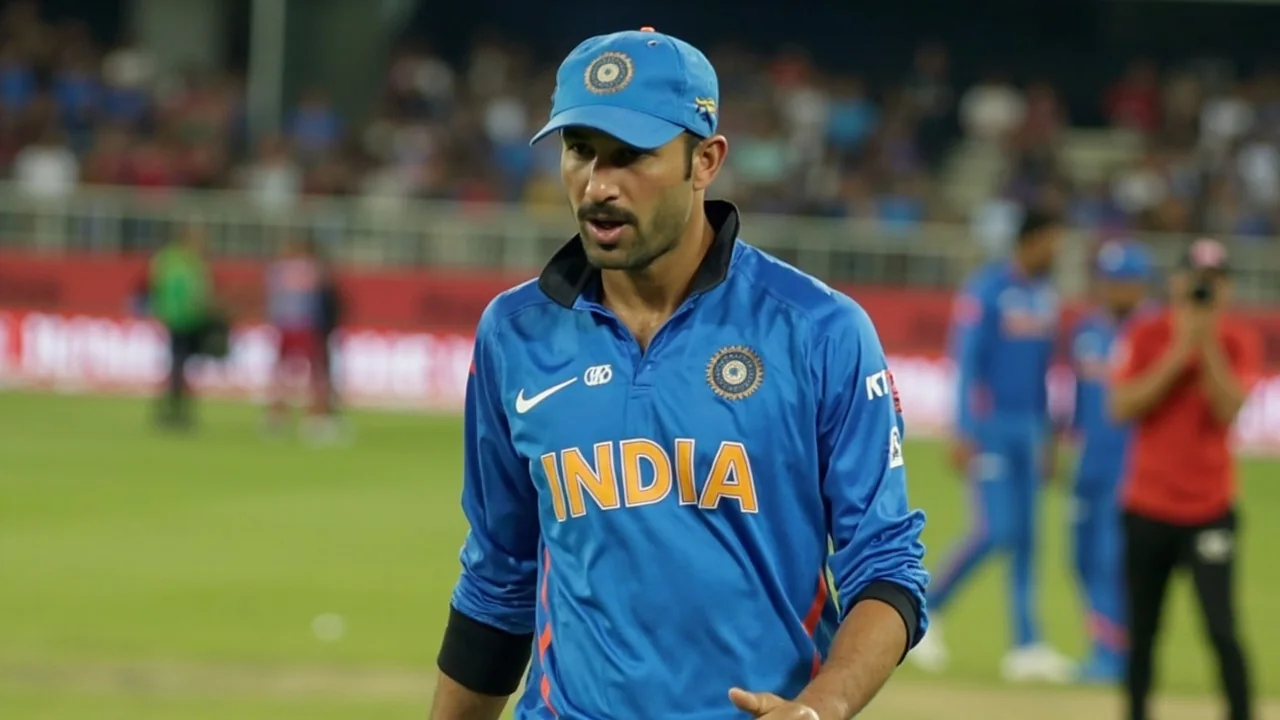
Sachin Tendulkar's earlier caution is worth reading again in this context. The worry about too many instructions between ball-recognition and reaction applies cleanly to the white-ball game. In a Duleep Trophy dressing room, the volume of instructions is different. Field settings, bowler rotations, DRS triggers and energy management across a four-day innings are precisely the skills that benefit from being absorbed at 16 rather than learnt at 24. East Zone's gamble is that Sooryavanshi is unusually ready to absorb that information precisely because his white-ball gift depends on not being over-instructed.
The Duleep Trophy is not a selection trial for India. It sits below the Ranji Trophy in picking priority for the national side, and East Zone's promotion does not, on its own, push Sooryavanshi into the conversation for the next Test tour. What it does is buy him innings time and dressing-room time on a stage where both remain scarce for teenagers.
If the numbers respond over the next two four-day windows, the trickle-up effect is obvious. A 15-year-old with a vice-captain's Duleep Trophy experience and a Player-of-the-Series against South Africa U19 would be a different conversation for the India A selection panel by the time the red-ball home season starts. If the numbers do not respond, selectors still have a defined senior core to fall back on, and Sooryavanshi is young enough to absorb one quiet block without it changing the longer arc.
For senior pros like Shami, Easwaran, Mukesh Kumar and the rest of the East Zone squad, the appointment is also a quiet test of their own. Dressing rooms that agree to share leadership space with a 15-year-old and back the call publicly when the runs dry up are doing something that the Indian senior circuit still has to learn. The selectors have used a vice-captain's chair as a starting gun for that conversation.
Three concrete markers will tell readers whether this apprenticeship is working. First, the length of Sooryavanshi's first innings. Crossing the fifty-ball mark at the crease will matter more than crossing the fifty-run mark in this environment. Second, the quality of the conversations visible between Sooryavanshi and the senior pros during drinks breaks and at the fall of a wicket. Third, how Kishan uses the vice-captain in actual tactical moments. If Sooryavanshi is being asked for an opener's view on a third-session declaration chat, the selectors will treat that as the goal. If he is being left to fill a water bottle, the appointment is being read as a photo opportunity rather than a development step.
Readers who follow red-ball cricket for state-versus-state context should also watch which of Easwaran's innings habits Sooryavanshi borrows by the end of day two. The senior opener's controlled use of the crease and patience against spin are exactly the traits selectors want flowing back into a teenage batting mind. Those influences are not visible in a scorecard. They are visible in the replay of the second new ball.
Past teenage promotions in Indian domestic cricket have usually been accidents of availability. A squad that loses its captain to India duty, a state association that wants a marquee name for a marquee fixture, a selectors' group that wants to send a signal to a young batter. East Zone's call does not quite fit any of those templates. Kishan is available, the squad has senior alternatives and selectors have been explicit that the aim is accelerated maturity.
For readers who want to track the official word and the wider context across the season, the wider Trust11 cricket news desk will keep notes from the Duleep Trophy windows along with the rest of the domestic and IPL calendar. The East Zone squad announcement is the starting point for that thread, not its peak.
Handing a 15-year-old the vice-captain's chair at a four-day zonal event is not a magic wand. It is a seat at the right table, two metres from the keeper, where the next two weeks will either confirm that the gamble is working or expose that the gap between a 237 strike-rate white-ball game and a 17.25 first-class average is still wider than the numbers suggest. East Zone selectors have chosen to close that gap in public rather than wait for it to close itself in the A-team nets.
Whether Sooryavanshi's batting averages respond over the next two four-day matches is one question. Whether the rest of India's red-ball structure watches this call and thinks about its own treatment of teenage talent in red-ball cricket is the more useful one. The vice-captain's chair at East Zone is the move. The honest answer is still two Duleep Trophy fixtures away.
